Updated , 6 min read, by the Probably team
Key takeaways
- Test the hook first: the first seconds decide whether anyone sees the rest of the ad.
- Change one variable at a time, or you won't know what made the difference.
- Read attention metrics (hook rate, hold rate) before cost metrics (CTR, CPA), and judge on the metric you optimize for.
- Give each variant enough spend and days to settle; a rule of thumb is three to seven days per test.
- Refresh winning ads with new hooks when frequency rises and results fall.
What is creative testing?
Creative testing is running deliberately different versions of an ad against each other to learn which one performs better, and why. The aim is a repeatable lesson, such as "question hooks beat claim hooks for this product", not just a single winning ad.
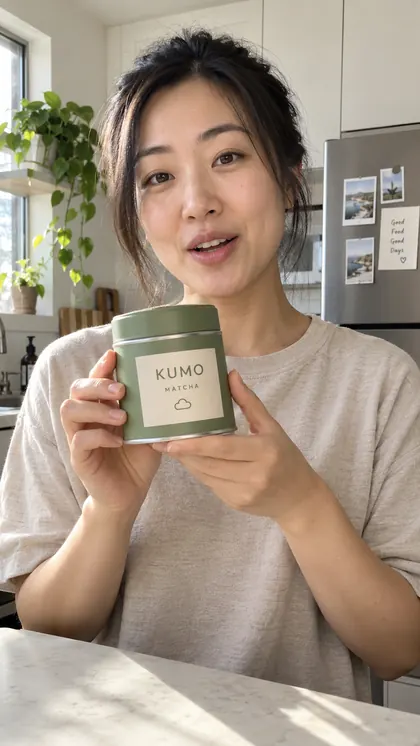
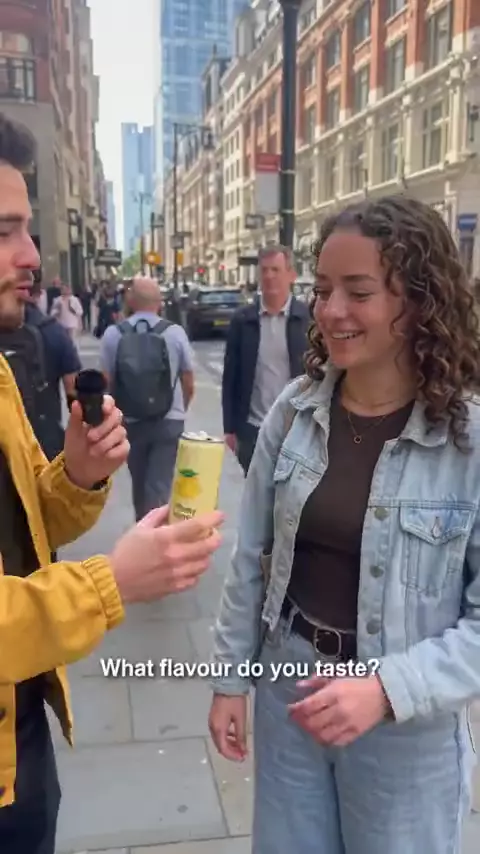
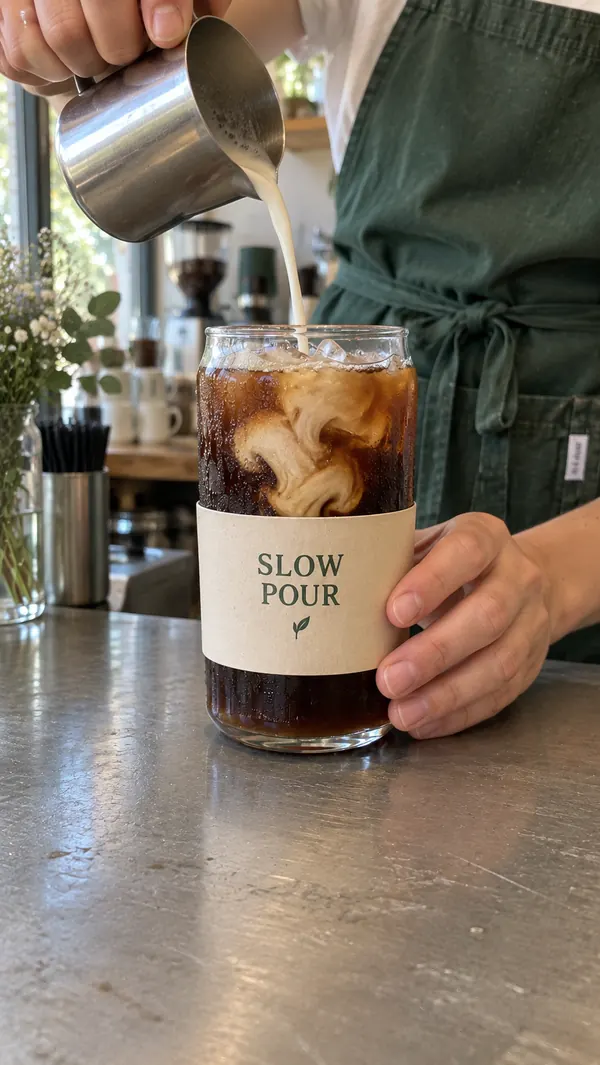
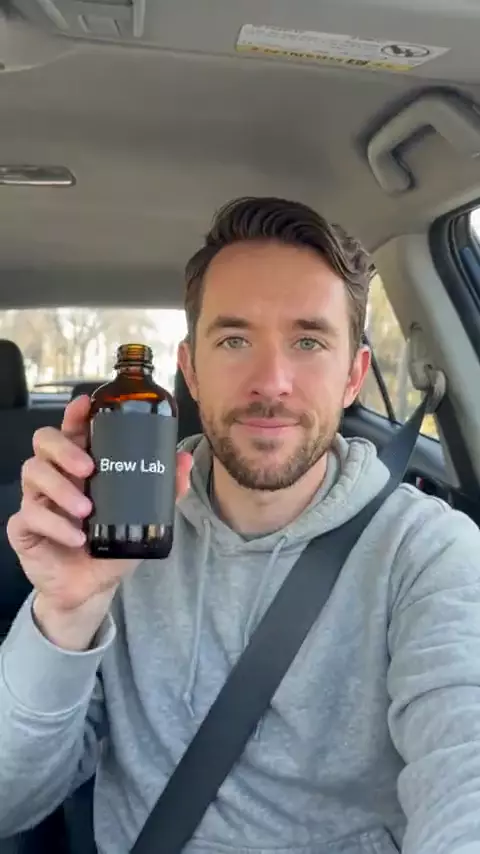
UGC ads suit testing well because they are cheap to vary: the same script can open five ways, be filmed in two looks, or end with two offers.
What should you test first in a UGC ad?
Test the hook first. If the first two or three seconds don't stop the scroll, nothing after them gets watched, so a better hook improves every later test.
After the hook, work down the ad in order of how much each part tends to move results. This order is a rule of thumb, not a law; skip a step when you already know the answer.
| Order | Variable | Example of one test |
|---|---|---|
| 1 | Hook | A question opening against a bold claim, same script after it. |
| 2 | Angle or concept | Solving a problem against comparing with an alternative. |
| 3 | Look or format | Selfie vlog against POV hands, same script. |
| 4 | Actor and voice | Two actors reading the same lines. |
| 5 | Offer and call to action | "Free shipping today" against "Try it for 30 days". |
| 6 | Captions and sound | Word-pop captions against a text box; music against none. |
For hook ideas to test, see UGC ad hooks.
Try this brief
“Make three versions of our meal-prep ad with different hooks: a price hook, an objection hook and a before-and-after. Keep the rest of the ad the same.”
Make this ad freeWhy test one variable at a time?
If two versions differ in the hook, the actor and the offer, and one wins, you don't know which change did it. Changing one thing per test turns a result into a lesson you can reuse.
- Keep the audience, placement, budget and dates the same for every variant.
- Use the platform's split-testing tool where you can. TikTok's split test divides the audience into two equal groups so each person sees one version, and declares a winner at a 90% confidence level.
- Meta's A/B test works the same way for ad sets and campaigns.
- When you must test several things at once to save time, test whole concepts against each other, then go back and test parts of the winner.
Which metrics tell you a UGC ad is working?
Read the metrics in the order a viewer experiences the ad: did they stop, did they keep watching, did they click, did they buy. Platforms name and calculate these slightly differently, so use the same definition for every variant.
| Metric | Common definition | What it tells you |
|---|---|---|
| Hook rate or thumb-stop ratio | Three-second video views divided by impressions. | Whether the opening stops the scroll. |
| Hold rate | Longer views (for example 15 seconds, or a full play) divided by three-second views. | Whether the body of the ad keeps people watching. |
| Click-through rate (CTR) | Link clicks divided by impressions. | Whether the ad makes people want to act. |
| Cost per acquisition (CPA) | Spend divided by conversions. | What a sale or sign-up costs you. |
| Return on ad spend (ROAS) | Revenue divided by spend. | Whether the ad pays for itself. |
Attention metrics settle quickly and help you diagnose an ad; cost metrics decide which ad you keep. A hook with a high hook rate and a poor CPA usually means the opening promises something the rest of the ad doesn't deliver.
How much budget and time does a creative test need?
Give each variant enough impressions and conversions that the difference isn't luck. There is no single right number, but these rules of thumb are widely used:
- Run a test for three to seven days, so weekday and weekend behavior both show up.
- Judge hook rate after a few thousand impressions per variant; it settles faster than conversion metrics.
- Before judging CPA, let each variant spend at least one to two times your target CPA.
- On Meta, an ad set usually leaves the learning phase after about 50 optimization events in a week, so very small budgets give noisy results.
- Test two to five variants at once; more than that spreads the budget too thin to learn anything.
If the budget can't reach conversions, optimize the test for a cheaper event, such as clicks or add-to-cart, and confirm the winner on sales afterwards.
How do you run a UGC creative test?
- Write a hypothesis
Name the variable and the expected result: "An objection hook ('It's not another meal kit') will beat our feature hook on hook rate."
- Make the variants
Change only that variable. For a hook test, keep the script after the first line, the actor, the look and the captions identical.
- Set up a fair test
Same audience, placement, budget and schedule for each variant, ideally in the platform's split-testing tool.
- Wait for enough data
Don't turn variants off on day one. Wait for the impressions and spend you set out to collect.
- Read and record
Note the winner, the margin and the lesson in a testing log, then pick the next variable.
| Test | Variable | Variants | Winner | Lesson |
|---|---|---|---|---|
| Illustration 1 | Hook | Question, claim, objection | Objection | Naming the doubt early keeps people watching. |
| Illustration 2 | Look | Selfie vlog, POV hands | POV hands | Showing the product in use beats talking about it. |
What mistakes ruin a creative test?
Most failed tests don't fail because the ads were bad; they fail because the test couldn't tell the ads apart.
- Calling a winner on day one, before either variant has enough impressions or spend.
- Changing the hook, actor and offer together, then not knowing which one mattered.
- Putting all variants in one ad set and letting delivery favor one early, so the others never get a fair share.
- Uneven budgets or schedules between variants.
- Testing differences too small to matter, such as one word in the caption, before the hook is settled.
- Not writing results down, so the same test gets run again in three months.
Make your first ad free
Tell the crew what you’re selling. Get a 480p draft with a script, actor, voice and edit, checked before you see it.
First draft free, no credit card
What is creative fatigue, and how often should you refresh?
Creative fatigue is when an audience has seen the same ad so often that it stops responding, and cost per result rises. Meta's Ads Manager can flag it on an ad set as creative fatigue.
- Signs of fatigue: frequency climbing, hook rate and CTR sliding, CPA rising week over week on a steady budget.
- First fix: give the winning ad new hooks. The body that converted usually still works.
- Next fix: a new look, actor or angle on the same message.
- Last resort: a new concept, tested from the hook up.
As a rule of thumb, accounts spending heavily need new hooks every week or two; smaller accounts can refresh monthly, or when the signs of fatigue appear.
How do you make hook variants with Probably?
Probably is an AI video studio that makes UGC-style ads, and its variants are built for hook testing. Ask the crew for alternate hooks in plain words, and each one is made as its own version of the same video, so the script, actor, look and captions after the hook stay the same.
- Ask for a different kind of hook, such as a question, an objection or a result, or write the line yourself in the script editor.
- Keep the actor fixed across tests with a persona in your Space, so a hook test stays a hook test.
- Try a different look, such as selfie vlog against POV hands, when you move on to testing format; see UGC styles.
- Earlier versions are kept, and the studio shows a credit estimate before a paid change runs. Changing the captions on a delivered video re-renders it free.
Download the variants and upload them to your ad account; see review and revisions for how changes work.
Frequently asked questions
How many hooks should I test per ad?
Three to five is a good range. Fewer gives you little to learn from, and more spreads a small budget too thin.
What is a good hook rate for a UGC ad?
It varies by platform, placement and industry, so compare variants against each other and against your own account's history rather than a universal benchmark.
How long should I run a creative test?
As a rule of thumb, three to seven days, and long enough for each variant to spend at least one to two times your target cost per acquisition.
Should I test hooks or concepts first?
Test hooks first within one concept, because the opening decides whether the rest is seen. When you have several untested ideas, test whole concepts against each other, then test hooks on the winner.
How do I know when an ad is fatigued?
Frequency rises while hook rate and click-through rate fall and cost per result climbs on a steady budget. Meta's Ads Manager can also flag an ad set for creative fatigue.
Does Probably publish ads to TikTok or Meta?
No. You download the finished videos and upload them in TikTok Ads Manager or Meta Ads Manager, where you run the test.