Updated , 6 min read, by the Probably team
Key takeaways
- AI UGC wins on speed, cost per variation and consistency; creator UGC wins on real product use and trust.
- An AI actor has never used your product, so it should never pose as a real customer giving a testimonial.
- TikTok and Meta both label AI-generated ads, and TikTok asks advertisers to disclose them in Ads Manager.
- A hybrid workflow tests many AI-made angles first, then spends creator budget on the proven ones.
What is the difference between AI UGC and creator UGC?
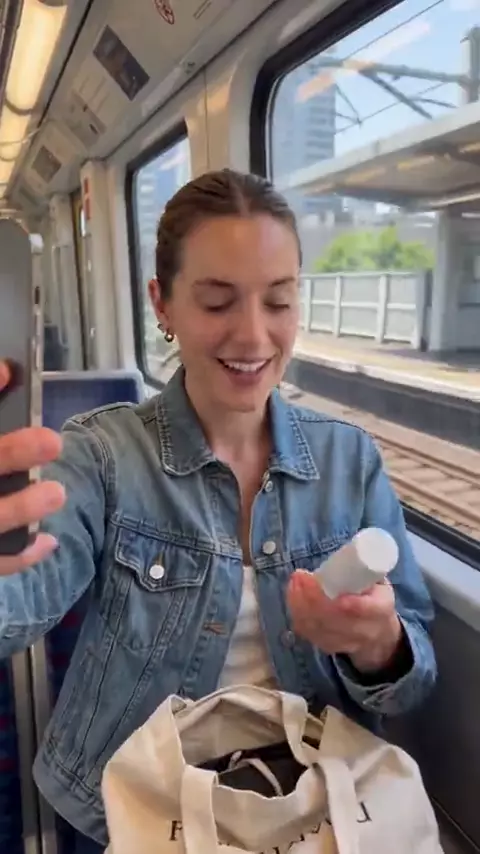
Creator UGC is a video a real person films, usually on a phone, talking about or using your product. AI UGC is a video in the same style where the actor, the voice, or both are generated with AI.
Both aim for the same thing: an ad that looks like a post from a person rather than a polished commercial. They differ in what they can honestly show and what each version costs. If you are new to the format, start with what UGC ads are.
How do AI UGC and creator UGC compare?
| Aspect | AI UGC | Creator UGC |
|---|---|---|
| Cost per video | A subscription and credits; extra versions are cheap. | Typically $150 to $200 on average, plus usage rights. See UGC ad costs. |
| Turnaround | Depends on the tool; no scheduling or shipping. | Days to weeks: briefing, shipping product, filming, editing. |
| Variations | Many hooks and angles from one brief. | Each extra hook is usually a paid add-on. |
| Real product use | No. The actor has never held or tried it. | Yes. Texture, fit, taste and results are real. |
| Testimonials | Not honest as a customer review. | Honest when the creator has used the product. |
| Consistency | The same actor and voice every time. | Depends on one person's availability. |
| Usage rights | Set by the tool's terms; no per-video licence. | Negotiated per video and term. |
| Creator's audience | None. | Can post to their followers or run as Spark Ads. |
| AI labeling | May need an AI-generated label on TikTok and Meta. | Not needed unless edited with AI. |
AI UGC is faster and cheaper per version; creator UGC is the only honest choice when the ad depends on a real person's experience with the product.
When is AI UGC the right choice?
AI UGC is the right choice when volume and speed matter more than a real person's experience. These are the cases where it does the job well:
- Testing hooks and angles: ten openings for one idea cost a fraction of ten creator bookings.
- Refreshing creative that has gone stale, by giving a winning ad new hooks.
- Products a screen or photos explain well, such as apps, software and services.
- Explainers and offer announcements, where the message matters more than who says it.
- A recurring brand actor who looks and sounds the same in every video.
- Small budgets, where one creator video would use the whole month's spend.
- Cutting the same ad for several placements and aspect ratios.
Make your first ad free
Tell the crew what you’re selling. Get a 480p draft with a script, actor, voice and edit, checked before you see it.
First draft free, no credit card
When should you hire a human creator?
Hire a person when the ad's promise rests on real use. Viewers judge skincare, food, clothing and fitness products on visible proof, and only someone who used the product can give it.
- Before-and-after results, texture close-ups, fit and try-ons, taste reactions.
- Testimonials and reviews: the words must reflect the speaker's own experience.
- Organic posts from the creator's account, or ads run through their handle with whitelisting or Spark Ads.
- Regulated or sensitive categories such as health, finance and supplements, where claims get extra scrutiny.
- Hands-on demos where the product's real behavior is the point, such as a gadget's setup or a stain coming out.
Can an AI actor give a testimonial?
No, not honestly. A testimonial claims a real experience with the product, and an AI actor has none. The FTC's endorsement guidance is plain: you can't talk about your experience with a product if you haven't tried it.
In 2024 the FTC also finalized a rule against fake reviews and testimonials, including ones attributed to people who don't exist and AI-generated fake reviews. So write AI ads as an actor explaining the product, its features and your offer, not as a customer describing results.
- Fine for AI: "Here's how the app sorts your inbox in one tap."
- Fine for AI: "Three things to know before you buy a standing desk."
- Not for AI: "I've used this serum for a month and my skin cleared up."
If you have real customer reviews, you can quote them on screen with attribution. The actor can read a real review aloud as a review, without claiming it as their own.
Do you have to label AI-generated ads?
Often, yes. Both major short-video ad platforms label ads made or significantly changed with generative AI, and the rules are still changing, so check the help centers before you launch.
- TikTok: Ads Manager has an AI-generated content disclaimer for ads whose image, video or audio is completely AI-generated or significantly modified by AI. It adds a visible label viewers can tap. TikTok's community rules also ask creators to label realistic AI content.
- Meta: ads created or significantly edited with generative AI can carry an "AI info" label, shown in the ad's menu and sometimes next to "Sponsored". Ads about social issues, elections or politics must disclose AI-made images, video or audio.
Plan for the label rather than around it: write the ad so it still works when viewers know the actor is AI, which means useful, specific and honest about what the actor is.
What mistakes should you avoid with AI UGC?
Most AI UGC that fails does so for the same few reasons, and none of them are about the technology.
- Scripting the actor as a customer: "I tried it and..." is a testimonial, and an AI actor can't honestly give one.
- Showing results the product hasn't been proven to give, such as before-and-after shots that were never filmed.
- Making one video and judging AI UGC on it. The advantage is volume, so make several hooks and test them.
- Generic scripts. Name the buyer, the problem and the specific thing the product does, as a real creator would.
- Skipping the platform's AI disclosure where it applies, which can get an ad rejected.
What does a hybrid UGC workflow look like?
Find the angle with AI, prove it with a test, then pay people to make the version that needs a real human.
- Draft many angles with AI
Write three to five angles (a problem, a comparison, an objection, an offer) and give each several hooks. Keep the rest of the ad the same.
- Test them cheaply
Run the variations against each other and judge them on hook rate and click-through first. See how to test UGC ad creatives.
- Brief creators on the winners
Give human creators the two or three angles that held attention, with the winning hooks as a starting point. Pay for real use where it matters.
- Combine the footage
Use a creator's product shots or try-on clips inside an AI-made ad, or keep AI versions for placements where real use isn't the point.
- Refresh with AI
When a winning ad tires, make new hooks for it with AI before you book a new shoot.
Where does Probably fit?
Probably is an AI video studio that makes the AI half of this workflow. You describe what you're selling, and an AI crew writes the script, casts an AI actor and voice, films each scene in a UGC look such as selfie vlog or POV hands, and edits the ad, with AI reviewers checking it against your brief.
- Ask for alternate hooks as variants, each its own version, for testing.
- Add your own footage or photos, including clips from creators you've hired, to use in the video.
- Keep a recurring actor with a fixed look and voice as a persona in your Space.
- Write scripts as explanations and offers; the actor is AI, so don't script a personal testimonial.
Your first draft is free with a new account. See pricing for the plans.
Frequently asked questions
What is AI UGC?
AI UGC is a UGC-style video ad whose actor, voice or both are made with AI instead of filmed with a real creator. It copies the look of a phone-shot creator post.
Does AI UGC actually work?
It can, for the right product and angle, which is why you test. AI UGC tends to do well for explainers, apps and offers; creator UGC is stronger where real product use is the proof.
Is AI UGC legal?
Generally yes, if the ad doesn't mislead. In the US the FTC bans fake reviews and testimonials, AI-generated ones included, so an AI actor must not pose as a real customer, and TikTok and Meta may label AI-made ads. This is general information, not legal advice; check the rules where your ads run.
Can viewers tell an ad is AI-generated?
Sometimes, and on TikTok and Meta an AI label may tell them anyway. Write the ad so it works when people know: useful, specific and honest about what the actor is.
Do I need to disclose AI in TikTok ads?
TikTok asks advertisers to turn on its AI-generated content disclaimer in Ads Manager when an ad's image, video or audio is completely AI-generated or significantly modified by AI. Check TikTok's current help center before launch.
Can an AI actor review my product?
Not as a personal testimonial, because it has never used the product. It can explain features, demonstrate a screen, present your offer or read a real customer review with attribution.
Should I replace my creators with AI?
Usually not entirely. Use AI to find and refresh angles quickly, and keep creators for real use, honest reviews and their audiences.