Updated , 5 min read, by the Probably team
Key takeaways
- UGC means user-generated content; a UGC ad is a paid ad styled like a person's post.
- They work because they look native to the feed and read like a peer's tip.
- Common types include testimonial, unboxing, demo, POV and problem-solution.
- The hook in the first seconds matters more than polish.
- Make them with creators or AI, and test many versions either way.
What are UGC ads?
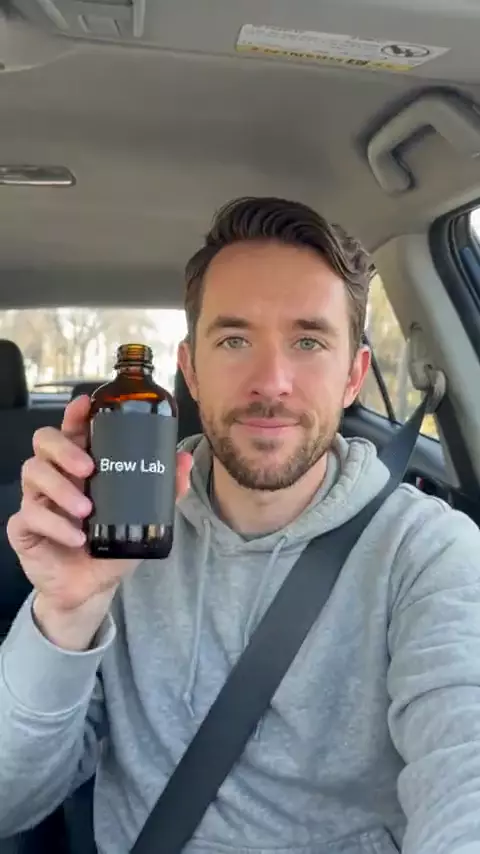
A UGC ad is a paid ad that looks like a regular person's social post about a product, usually a vertical phone video of someone talking to camera.
UGC means user-generated content: posts, photos, videos and reviews made by ordinary people, not brands. A UGC ad borrows that look on purpose; a brand pays for it, but it's shot and written like a person's post, not a commercial.
What does a UGC ad look like?
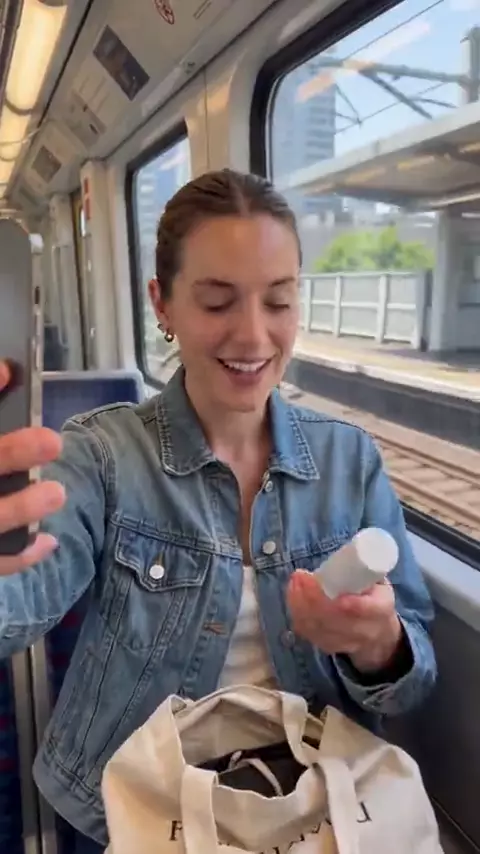
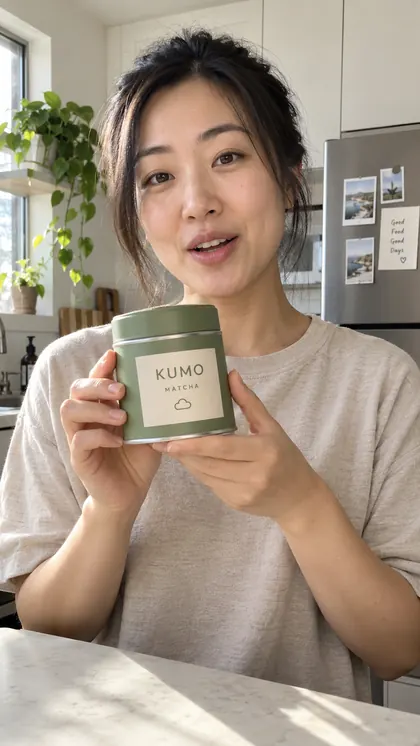
Most UGC ads are vertical, short and filmed the way people film themselves.
A person talking to a phone's front camera, held at arm's length.
Everyday settings: a kitchen, a car, a bathroom mirror, a desk, a street.
A first line, the hook, that gives a reason to keep watching.
Plain spoken language, not ad copy, with jump cuts between lines.
Burned-in captions, because many people watch with the sound off.
A clear ask at the end, the call to action, such as "link below" or "try it free".
Make your first ad free
Tell the crew what you’re selling. Get a 480p draft with a script, actor, voice and edit, checked before you see it.
First draft free, no credit card
Why do UGC ads work?
They fit the feed. On TikTok and Reels a polished commercial gets skipped as an ad; a person talking to camera looks like the posts around it.
- They feel native, so they earn a few more seconds.
- They carry social proof. A peer describing a product reads as a recommendation, not a pitch.
- They show the product in use, which answers questions a photo can't.
- They're cheap to make in many versions, so you can test hooks and angles and keep the winners.
The style won't save a weak hook or a vague message.
What are the main types of UGC ads?
Most UGC ads follow one of these structures. Pick one first and the script gets easier.
| Type | What happens | Works well for |
|---|---|---|
| Testimonial | A person shares their experience and recommends it. | Products where trust is the main hurdle. |
| Unboxing | Opening the product on camera, with first reactions. | Packaging, gifts, subscription boxes, beauty, gadgets. |
| Product demo | The product doing its job, step by step. | Anything easier to see than to explain. |
| POV | Filmed from the viewer's point of view, often with text like "POV: you finally found...". | Relatable moments, quick emotional payoffs. |
| Problem-solution | A familiar frustration, then the product fixing it. | Products that solve a specific pain. |
| Before/after | The state before the product, then the result. | Cleaning, organizing and visual results; keep claims honest and typical. |
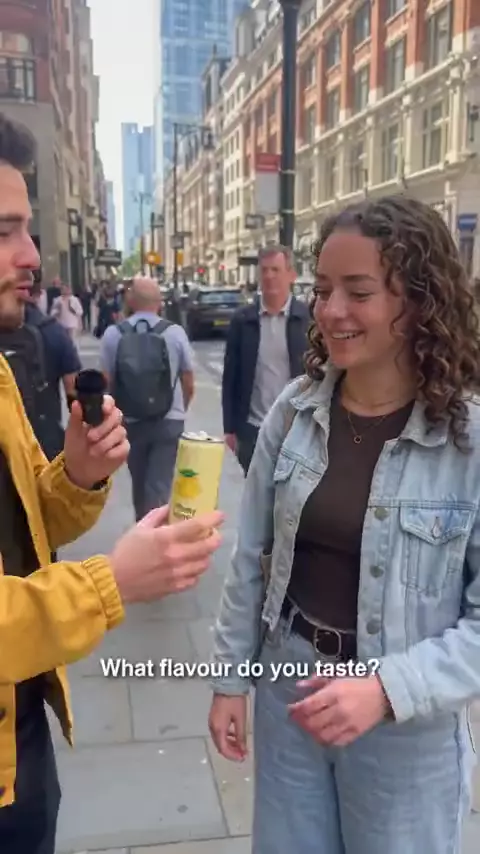
| Street interview | A host stops people to ask a question or try the product. | Taste tests, opinions, broad consumer products. |
| Storytime | A short personal story that leads to the product. | Products with an emotional or surprising origin. |
| Routine or get-ready-with-me | The product appears inside a daily routine. | Beauty, fashion, wellness, food. |
| Listicle | "3 reasons I switched to..." or "things I wish I knew before...". | Products with several distinct benefits. |
| Objection or FAQ | Answers the doubt that stops a purchase, such as price or "does it really work?". | Considered purchases and retargeting. |
| Comparison | The product next to the usual alternative, showing the difference. | Crowded categories with a clear difference. |
Where do UGC ads run?
UGC ads run wherever short vertical video runs. The main paid placements are:
- TikTok In-Feed ads, including Spark Ads, which boost an existing organic post from your account or a creator's.
- Instagram Reels, Stories and Feed, and Facebook Reels and Feed, bought through Meta Ads Manager.
- YouTube Shorts, bought through Google Ads.
- Snapchat and Pinterest, which also sell vertical video placements.
The same videos work on product pages, in emails and on landing pages. For each placement's size and length rules, see the UGC video ad specs guide.
Are UGC ads made by real customers?
Usually not. Most are made by creators paid to work in the UGC style, whether or not they're customers.
So honesty rules matter. In the US, the FTC's Endorsement Guides require clear disclosure of paid relationships, and its 2024 fake-reviews rule bans testimonials that misrepresent who is speaking, AI-generated ones included. Script an AI actor as a product demonstration, not a customer describing an experience they didn't have.
Human creators or AI: which should you use?
They differ in cost, speed and control. Creators bring real hands on your product; AI makes the actor, voice and edit from a brief, so you can try many versions fast.
| Human creators | AI | |
|---|---|---|
| How you get a video | Find and brief a creator, ship the product, wait for footage, edit. | Write a brief, get a finished video. |
| Real product on camera | Yes, physically handled. | Shown from your photos and footage. |
| Changing a line | Often a reshoot or a new order. | Ask, and the affected part is remade. |
| Many versions to test | Each costs another order. | Variants are cheap to make. |
| Disclosure | Paid relationships must be disclosed. | Don't present an AI actor as a real customer. |
Many teams mix the two: AI to find the hooks and angles that work, creators to film the winners. For more, read AI UGC vs creator UGC.
How do you start making UGC ads?
- Pick one product and one buyer
Name who it's for and the one problem it solves. One ad, one message.
- Study what already runs
Browse TikTok Creative Center's Top Ads and the Meta Ad Library for your category; note the hooks and types that recur. The TikTok ad library guide shows how to search them.
- Choose a type and write the hook
Pick a type above and write five or more first lines; see the hook guide, or draft a first batch with the free hook generator.
- Write a short script
Hook, problem, product, proof, call to action; the UGC script template has timings for 15, 30 and 45 seconds.
- Make it
Order from a creator, film it yourself, or make it with AI.
- Test versions and keep the winners
Run several hooks with the same body and budget, then make more of what works.
Making UGC ads with Probably
Probably is an AI video studio for UGC-style ads. You tell an AI crew what you sell in a chat; it writes the script, casts an AI actor and voice, films scenes in styles such as Selfie vlog or Street interview, adds captions and sound, and AI reviewers check the cut before you see it.
Your first draft is free with a new account, no credit card needed; see pricing for plans.
Frequently asked questions
What does UGC video mean?
A UGC video is a video in the style of user-generated content: filmed on a phone, spoken in plain words, often to camera. The term covers real users' posts and the creator videos brands pay for and run as ads.
How much do UGC ads cost?
A creator-made UGC video typically costs about $150 to $200 before usage rights for ads, per figures from Billo and Collabstr. AI tools charge a monthly subscription instead; see how much UGC ads cost for the full breakdown.
How can you create AI UGC ads for free?
Use a tool's free plan or free first draft, and expect limits on length, resolution or the number of videos. Probably's first draft is free with a new account: 480p, up to 30 seconds, no credit card.
What is the difference between UGC and influencer marketing?
Influencer marketing pays for a person's audience, who see their posts. UGC pays for the content, which the brand runs as ads from its own account, so follower count matters much less.
How long should a UGC ad be?
Usually 15 to 30 seconds, with the hook in the first two or three seconds. Longer ads can work for considered purchases if every line earns its place.
Do UGC ads need to be disclosed as ads?
Yes. Paid ads carry the platform's sponsored label, and creators paid to endorse a product must disclose it under rules such as the FTC's Endorsement Guides in the US.